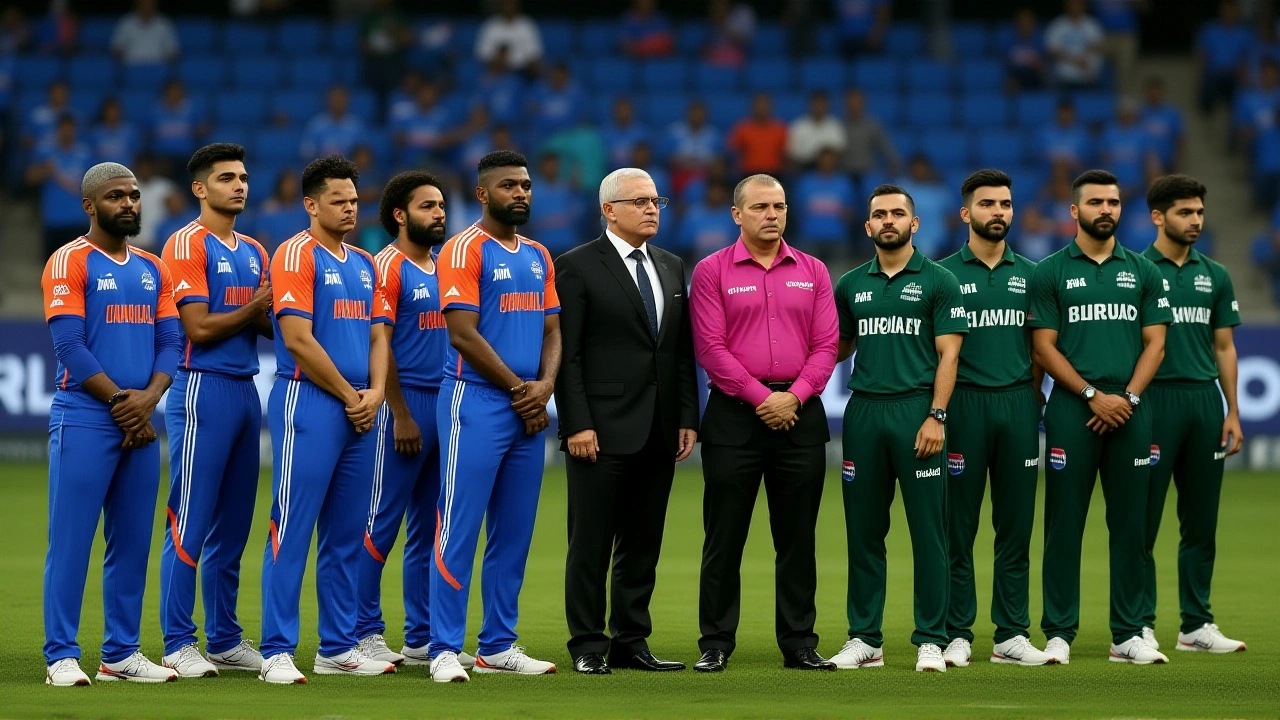
It’s the kind of headline that stops scrolling dead in its tracks. Pakistan Cricket Board has reportedly decided to boycott their group stage match against Team India at the upcoming T20 World Cup 2026Colombo. Scheduled for February 15, this fixture was supposed to be the tournament’s opening blockbuster. Instead, it might become a diplomatic disaster.
Here’s the thing: this isn’t just about missing one game. By opting out, Pakistan is walking into a perfect storm of logistical nightmares and strategic disadvantages. With weather forecasts predicting heavy rain for other matches and a looming threat of sanctions from the International Cricket Council, the decision looks less like a power move and more like a gamble with everything on the line.
The Perfect Storm in Colombo
Let’s look at the schedule. All of Pakistan’s group matches are set to take place in Colombo, Sri Lanka. On paper, it’s a manageable itinerary. In reality, it’s a minefield.
According to data from AccuWeather cited in recent reports, the weather gods aren’t smiling on the Pakistani campaign. Their opener against the Netherlands on February 7 carries a staggering 64% chance of rain. That’s not just drizzle; that’s a washout risk that could leave them with zero points before they’ve even batted.
- Feb 7 vs Netherlands: 64% rain probability (High washout risk)
- Feb 10 vs USA: 0% rain probability (Clear skies)
- Feb 15 vs India: Match boycotted by Pakistan
- Feb 18 vs Namibia: 25% rain probability (Low risk)
Interestingly, the days scheduled for the USA and India matches show zero chance of rain. So, the weather wasn’t the excuse for skipping India. The boycott appears purely political or psychological. But by removing themselves from the equation, they’ve handed the initiative entirely to their opponents and the tournament organizers.
The Net Run Rate Nightmare
In T20 cricket, when you don’t play, you don’t score. And if you don’t score, your net run rate (NRR) stays flat—or worse, gets penalized depending on ICC regulations for no-shows. This is where it gets tricky for Pakistan.
With the India match off the table, every single run in the remaining three games becomes critical. If the Netherlands match washes out due to that 64% rain forecast, Pakistan starts with a blank slate. They then have to beat the USA and Namibia convincingly to keep their Super-8 hopes alive. Analysts suggest that reaching the knockout stages is now "almost impossible" given the combination of the boycott and the volatile weather conditions.
It’s a classic case of self-sabotage. You can argue that standing up for national pride is important, but in sports, results matter. And right now, the math doesn’t add up in their favor.
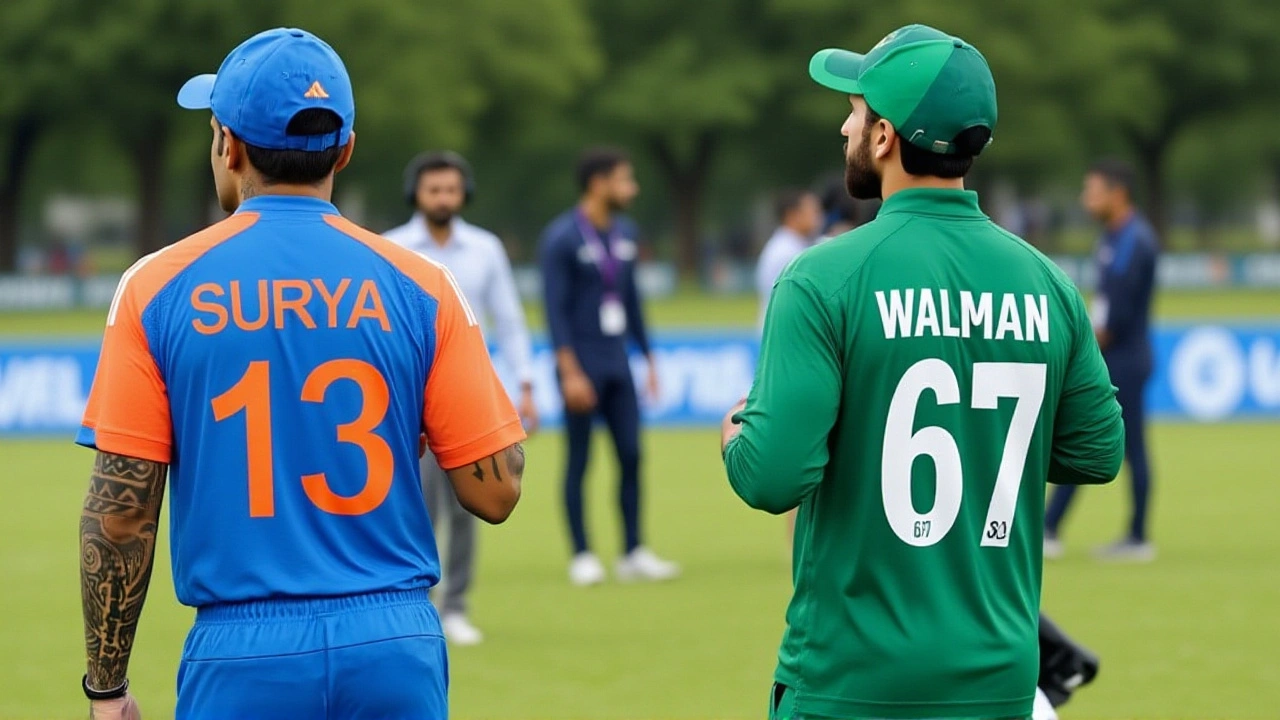
Kapil Dev’s Warning and the Financial Fallout
The reaction from cricket legends hasn’t been subtle. Former Indian captain Kapil Dev weighed in with a stark warning. His message? "Standing for the country is necessary, but destroying cricket is wrong."
Dev’s comment cuts through the noise. It acknowledges the political sentiment while highlighting the collateral damage to the sport itself. But the stakes go beyond rhetoric. Reports indicate a potential financial loss of ₹4,500 crore (approximately $540 million USD) associated with this controversy. Whether this figure represents lost broadcasting rights, ticket sales, or sponsorship pulls, it’s a massive number that hurts fans and stakeholders across both nations.
Moreover, there are whispers within the ICC corridors. Some analysts predict an "historic ban" could be imposed on Pakistan within the next 24 hours if the boycott stands. While the details are still unclear, the threat of being sidelined from international cricket altogether is a real possibility. No team wants to be the pariah of the sporting world.
What Happens Next?
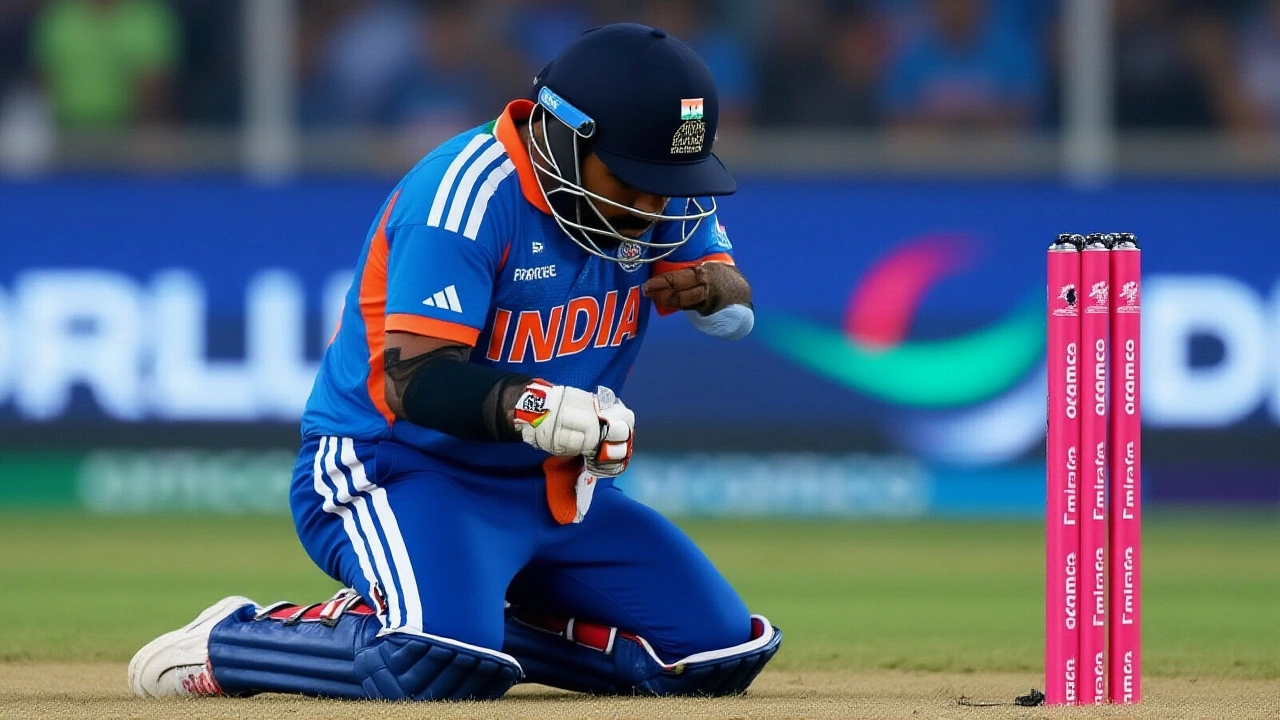
The ball is now in the ICC’s court. Will they enforce a default win for India? Will they impose fines? Or will they escalate to a suspension? Meanwhile, Pakistan’s players are left in limbo, preparing for a tournament that may already be slipping away.
For fans, it’s frustrating. We tune in for the rivalry, the passion, the drama on the field—not the politics off it. As we head toward February, all eyes will be on Colombo. Not just for the cricket, but to see if this boycott becomes the biggest earthquake in modern cricket history.
Frequently Asked Questions
Why did Pakistan decide to boycott the match against India?
While official statements vary, reports suggest the decision stems from deep-seated political tensions and a refusal to engage in what they perceive as an unequal sporting environment. However, critics argue it may also be a reaction to past performances or security concerns, though the latter seems less likely given the neutral venue in Colombo.
How does the boycott affect Pakistan's chances of reaching the Super-8?
The boycott severely damages their prospects. Without points from the India match, they must win all remaining games convincingly to maintain a positive net run rate. Combined with a high risk of rain washing out their opener against the Netherlands, experts believe qualifying for the Super-8 is now nearly impossible.
What is the potential financial impact of this controversy?
Estimates suggest a loss of approximately ₹4,500 crore ($540 million). This figure likely includes lost revenue from broadcasting rights, merchandise, ticket sales, and potential sponsorships withdrawn due to the negative publicity surrounding the boycott.
Could Pakistan face sanctions from the ICC?
Yes, there are strong indications that the ICC is considering severe penalties. Analysts have warned of a possible "historic ban" within 24 hours of the confirmed boycott. Such sanctions could range from heavy fines to temporary exclusion from future international tournaments.
What did Kapil Dev say about the situation?
Former Indian captain Kapil Dev stated, "Standing for the country is necessary, but destroying cricket is wrong." He emphasized the need to balance national pride with the integrity of the sport, suggesting that using cricket as a political tool harms the game itself.