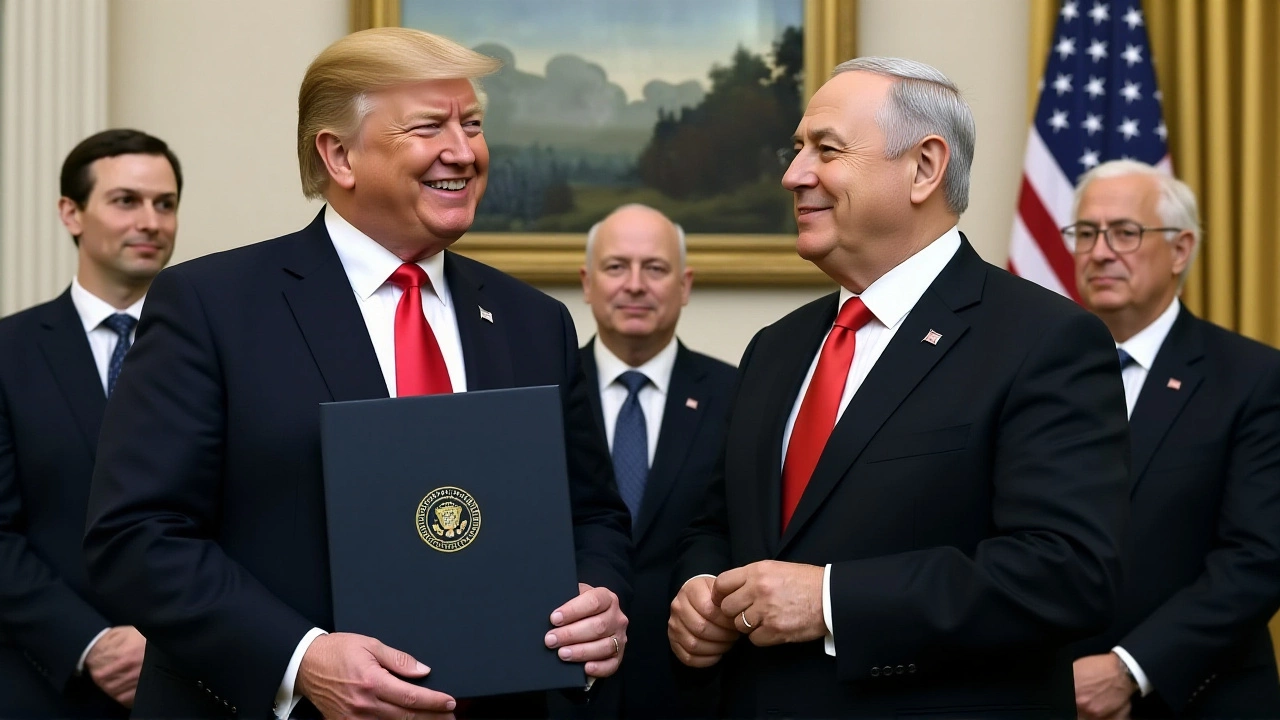
When Steve Witkoff, Special Envoy for the Middle East to Donald Trump, dropped his latest bombshell on CNBC, it wasn't just another diplomatic rumor. It was a clear signal: several Muslim-majority nations in the Gulf are preparing to formally recognize Israel. The catch? This shift hinges entirely on the conclusion of ongoing conflicts with Iran.
Here’s the thing: this isn’t happening tomorrow. But according to Witkoff, once the dust settles from the current tensions with Tehran, a wave of normalization deals is ready to roll out. He called it "big good news" for Jerusalem, suggesting that countries previously thought unlikely to join the fold are now lining up.
The New Push for Normalization
The core of this strategy revolves around expanding the Abraham Accords, the landmark agreement brokered by the US in 2020. Originally signed by the UAE, Bahrain, Sudan, and Morocco, these accords normalized relations with Israel. Now, Washington wants to double down.
Witkoff made his comments during an interview with CNBC, revealing that he and his team are working closely with Marco Rubio, the Secretary of State, and the broader State Department. Their goal is simple but ambitious: bring in new members. Specifically, they are targeting Gulf states that have historically kept their distance from Tel Aviv.
"We expect normalization in countries people never thought would be part of this," Witkoff said. "So we’re excited about that possibility." He didn’t name names, but the implication is clear. The list likely includes heavyweights like Saudi Arabia and potentially others within the Gulf Cooperation Council (GCC).
Trump’s Conference Call Strategy
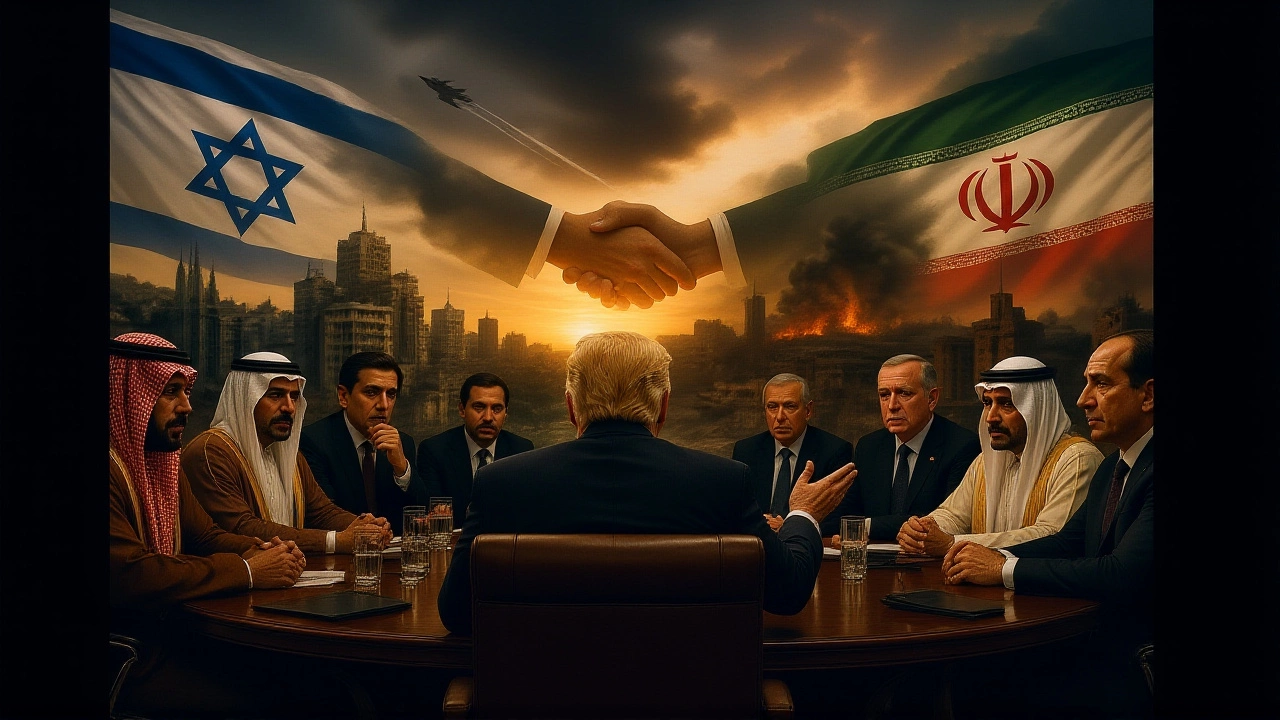
But wait, there’s more context. Reports from Axios, cited by NDTV, indicate that President Trump recently held a conference call with leaders of various Arab and Muslim nations. The agenda? A unified deal.
According to two US officials speaking to Axios, Trump proposed that all participating nations sign a joint agreement to recognize Israel once the conflict with Iran ends. The message was direct: peace with Iran paves the way for regional integration with Israel.
The reaction on the other end of the line was mixed. Mohammed bin Zayed Al Nahyan, President of the United Arab Emirates, reportedly assured Trump of his support. Other leaders echoed similar sentiments, signaling a willingness to move forward under American auspices.
However, not everyone was on board. Sources suggest that leaders from Pakistan and Saudi Arabia were taken aback. For these nations, recognizing Israel is politically explosive. Domestically, public opinion remains fiercely opposed to normalizing ties with Israel without significant concessions regarding Palestine. Trump even joked lightly about their presence on the call, highlighting the delicate nature of the request.
The Iran Factor: A Red Line
Why tie everything to Iran? Because Tehran remains the primary destabilizing force in the region. Witkoff emphasized that a comprehensive peace deal with Iran is essential before any major expansion of the Abraham Accords can occur.
He drew a hard line on one issue: nuclear weapons. "Iran enriching uranium and building atomic weapons is a red line for us," Witkoff stated bluntly. "We cannot allow them to build weapons. If they do, the whole region becomes unstable, and everyone needs a bomb. We can’t let that happen."
This dual-track approach—ending the war with Iran while simultaneously pushing for Arab-Israeli normalization—is risky. It assumes that Arab leaders will prioritize security guarantees and economic benefits over decades of ideological opposition to Israel. Whether they will hold firm once domestic pressures mount remains the biggest question mark.
What This Means for Regional Stability
If successful, this plan could reshape the Middle East dramatically. Imagine a scenario where Saudi Arabia, Pakistan, and other key players share intelligence and trade openly with Israel. That’s the vision in Washington.
But critics argue it ignores the root causes of instability. Without addressing Palestinian statehood or ensuring genuine security against Iranian proxies, these deals might be fragile. History shows us that normalization without resolution often leads to backlash, as seen in recent protests across the Arab world.
Still, the momentum is undeniable. With Trump’s team actively coordinating behind the scenes, the next few months will be critical. Watch for announcements post-conflict with Iran. The pieces are moving, whether the board is ready or not.
Frequently Asked Questions
Which countries are expected to recognize Israel next?
While Steve Witkoff did not explicitly name specific countries, reports strongly suggest that Gulf states, particularly Saudi Arabia, are being targeted. Other potential candidates include members of the Gulf Cooperation Council (GCC) such as Oman and Kuwait, though no official confirmations have been made yet.
What is the role of Iran in this plan?
The normalization process is directly linked to the conclusion of hostilities with Iran. The US strategy involves securing a comprehensive peace deal with Tehran that curbs its nuclear program. Only after this conflict ends does Washington intend to push Arab nations to formalize ties with Israel.
How did Pakistan and Saudi Arabia react to Trump's proposal?
According to reports from Axios and NDTV, leaders from Pakistan and Saudi Arabia were reportedly surprised by the directness of Trump’s proposal. Recognizing Israel is highly sensitive domestically in both countries due to strong public support for the Palestinian cause, making immediate acceptance unlikely without significant political maneuvering.
What are the Abraham Accords?
Signed on August 13, 2020, the Abraham Accords are a series of bilateral agreements brokered by the United States. They normalized diplomatic relations between Israel and several Arab nations, including the UAE, Bahrain, Sudan, and Morocco, marking a historic shift in regional diplomacy.
Who is Steve Witkoff?
Steve Witkoff serves as the Special Envoy for the Middle East under President Donald Trump. He is tasked with advancing US interests in the region, specifically focusing on expanding the Abraham Accords and facilitating peace deals involving Israel, Arab states, and Iran.